Personal Branding for Founders: Build Trust, Influence & Grow Your Business
Updated: 7 Sep 2026
Personal Branding for Founders is no longer a luxury. It’s a necessity in today’s competitive startup world. Before people trust a product or company, they often trust the founder behind it. Your voice, story, and expertise shape how others perceive your business from the very first impression.
A strong personal brand helps founders build credibility, attract investors, and connect with the right audience. By consistently sharing insights, experiences, and values, you create influence that marketing alone cannot achieve. Over time, your name becomes closely linked with trust, leadership, and innovation.
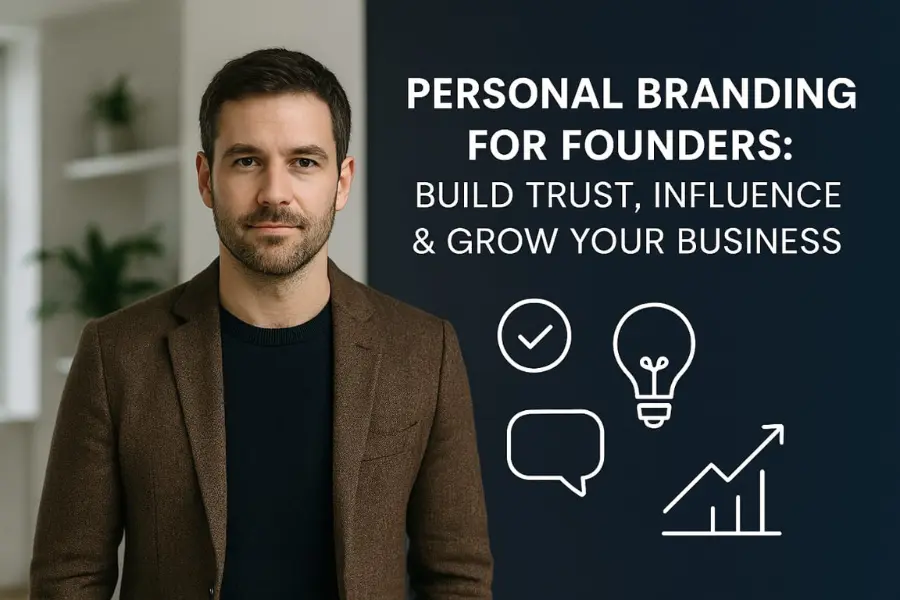
Whether you are starting your first venture or scaling an existing startup, investing in your personal brand can open powerful opportunities.
This guide will walk you through practical strategies to grow visibility, build authority, and turn your presence into a long-term business advantage.
What Is Personal Branding for Founders?
Personal branding is the process of presenting yourself and your leadership as a clear, authentic brand. For founders, it means communicating your values, vision, and purpose in a way that helps people understand not just what you build, but who you are behind the business. Unlike a corporate identity, a personal brand grows from your story, experiences, and mission.
Well-known founders such as Elon Musk, Richard Branson, and Melanie Perkins are recognised not only for their companies but also for the strong personal brands they have developed. Their visibility, storytelling, and consistent messaging build trust, attract attention, and help them stand out in a competitive marketplace.
Founder Personal Branding Strategy
A clear founder’s personal branding strategy helps you control how people perceive you and your startup. Instead of leaving your reputation to chance, you intentionally communicate your values, expertise, and vision. When done right, this strategy builds long-term trust, attracts opportunities, and positions you as a credible voice in your industry.
Define Your Core Message
Start by identifying what you truly stand for as a founder. This includes your mission, strengths, industry focus, and the problems you are passionate about solving. Your core message should be simple, consistent, and easy for others to remember. When people hear your name, they should immediately connect it with a specific value or expertise.
Identify Your Target Audience
Not every message is meant for everyone. Decide whether your main audience is potential customers, startup investors, business partners, or future employees. Understanding their needs, challenges, and expectations allows you to create content that feels relevant and meaningful rather than generic.
Choose the Right Platforms
You don’t need to be everywhere to build a strong personal brand. Select one or two platforms where your audience is most active, such as LinkedIn for professional networking, X for quick insights, or a personal blog for deeper thought leadership. Focusing your energy increases consistency and impact.
Share Consistent, Valuable Content
Consistency is more powerful than perfection. Share lessons from your startup journey, industry insights, failures, wins, and practical advice. Valuable content educates your audience, keeps you visible, and gradually positions you as a trusted expert over time.
Build Trust Through Authenticity
Authenticity is the foundation of personal branding. Be honest about challenges, transparent about progress, and human in your communication. People connect with real stories more than polished marketing messages, and that genuine connection is what ultimately builds loyalty and influence.
How to build a profitable personal brand (In Just 7 Steps)
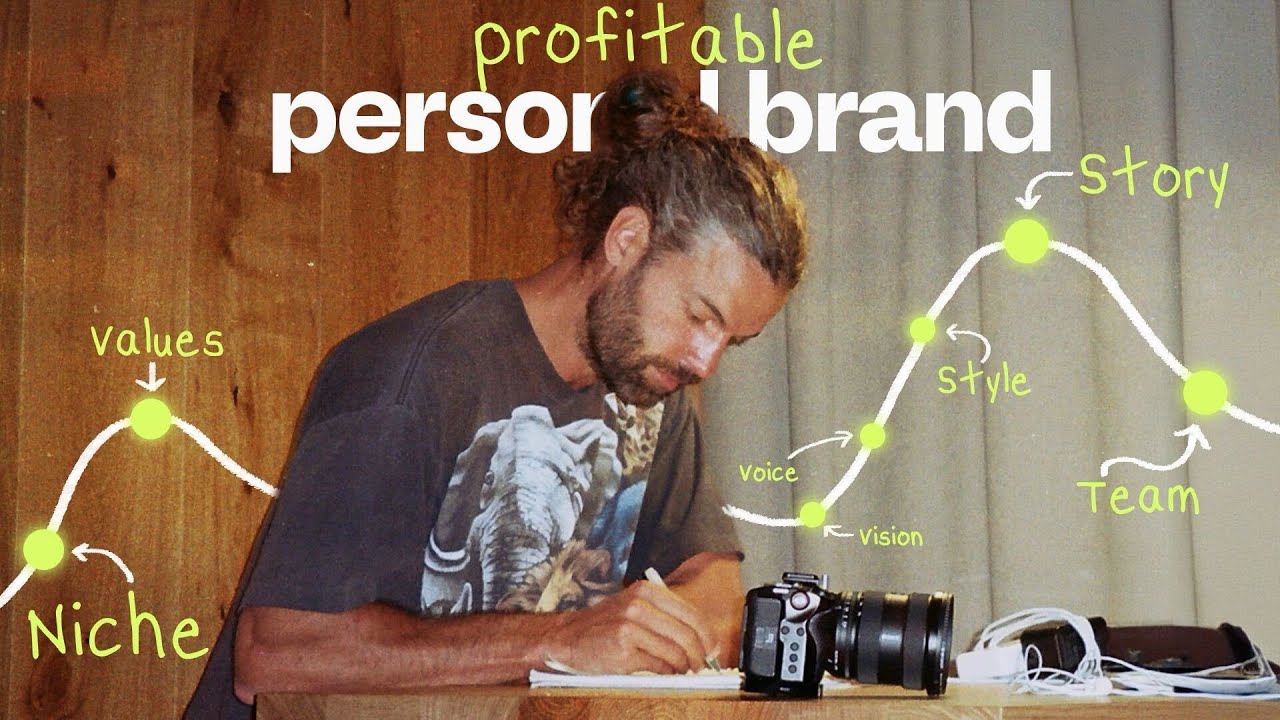
Personal Branding Tips for Entrepreneurs
Strong personal branding allows entrepreneurs to stand out, earn credibility, and create meaningful business opportunities. Instead of relying only on traditional marketing, entrepreneurs who actively shape their public image build deeper trust with customers, partners, and investors. The following tips will help you grow a personal brand that supports long-term success.
Be Clear About Your Expertise
Focus on a specific area where you can provide real value. Whether it’s technology, marketing, finance, or startup growth, clarity helps people quickly understand why they should follow and trust you.
Tell Authentic Stories
Share real experiences from your entrepreneurial journey, both successes and failures. Honest storytelling makes your content relatable and helps audiences connect with you on a human level rather than seeing you as just another business owner.
Stay Consistent Across Platforms
Use the same tone, message, and visual identity on LinkedIn, your website, and other social channels. Consistency strengthens recognition and ensures your audience receives a clear, unified impression of your brand.
Provide Value Before Promotion
Educate, inspire, or solve problems before talking about your product or service. When you consistently help your audience, promotion feels natural instead of forced, which increases trust and engagement.
Engage With Your Community
Respond to comments, join discussions, and support other creators in your field. Active engagement shows that you care about relationships, not just visibility, and it encourages long-term loyalty.
Keep Learning and Evolving
Industries change quickly, and strong personal brands grow with them. Continue learning new skills, sharing updated insights, and refining your message so your brand stays relevant over time.
How to Build a Personal Brand as a Startup Founder
Building a personal brand as a startup founder is a long-term process that combines clarity, consistency, and genuine connection with your audience. A strong founder brand does more than increase visibility. It creates trust, attracts investors and talent, and strengthens the overall reputation of your startup. The steps below outline a practical path to develop a personal brand that grows alongside your business.
Clarify Your Vision and Values
Start by defining why you built your startup and what impact you want to create. Your vision, mission, and personal values should guide everything you communicate publicly. When your message is rooted in purpose, people find it easier to believe in both you and your company.
Craft a Clear Founder Story
Every successful founder has a story that explains their journey, challenges, and motivation. Share how your idea started, what problems you aim to solve, and what lessons you’ve learned along the way. A compelling story makes your brand memorable and emotionally engaging.
Create High-Value Content Regularly
Content is one of the fastest ways to build authority. Publish insights, case studies, startup lessons, and industry opinions through LinkedIn posts, blogs, podcasts, or short videos. Consistent, helpful content positions you as a knowledgeable and trustworthy leader.
Build Relationships, Not Just Followers
Personal branding is not only about visibility. It’s about connection. Engage with your audience, reply to comments, collaborate with other founders, and participate in meaningful discussions. Strong relationships often lead to partnerships, opportunities, and community support.
Showcase Proof of Progress
Share milestones such as product launches, user growth, funding updates, or lessons from failures. Demonstrating real progress builds credibility and shows that your expertise comes from real-world experience rather than theory alone.
Stay Consistent and Patient
A powerful personal brand is built over months and years, not days. Maintain a consistent voice, posting schedule, and message while continuously improving your knowledge and communication style. Patience and persistence are key to long-term influence.
Key Benefits of Building a Personal Brand as a Founder
Developing a strong personal brand offers more than visibility. It creates credibility, influence, and long-term business growth. When founders actively shape how they are perceived, they open doors to meaningful relationships, investment opportunities, and industry recognition. Below are the most important benefits of building a personal brand as a founder.
Builds Trust and Authenticity
People naturally trust individuals more than companies. By sharing your values, journey, and honest experiences, you create a genuine emotional connection that strengthens confidence in both you and your startup.
Increases Visibility
A consistent personal brand makes you easier to discover across search engines, social platforms, and professional networks. Greater visibility leads to more awareness, engagement, and potential business opportunities.
Attracts Investors and Opportunities
Many investors choose to back founders they believe in, not just the ideas they present. A credible personal brand signals leadership, commitment, and long-term vision qualities that attract funding, partnerships, and media attention.
Positions You as a Thought Leader
Regularly sharing insights, lessons, and industry knowledge helps establish authority in your field. Over time, people begin to view you as a trusted expert whose opinions and ideas matter.
Humanises Your Startup
A personal brand puts a real face and story behind your business. This human connection makes your company more relatable, memorable, and emotionally engaging for customers and supporters.
Steps to Build a Strong Founder Brand
Building a personal brand as a startup founder takes clarity, consistency, and genuine engagement. A strong brand not only highlights your expertise but also builds trust, attracts opportunities, and strengthens your startup’s reputation. Here are the essential steps to create a powerful personal brand.
Define Your Core Values and Mission
Start by understanding what drives you as a founder. Identify the values that guide your decisions and craft a mission that reflects your unique perspective. Your personal brand should align with your company while highlighting what makes you different.
Identify Your Target Audience
Know who you want to reach: customers, investors, media, or potential team members. Tailor your content and messaging to resonate with their interests, challenges, and goals.
Tell Your Story Authentically
Share your journey, the wins, the struggles, and the lessons learned. Authentic storytelling creates relatability and helps people connect with you on a human level, not just as a business leader.
Be Present and Active Online
Use platforms like LinkedIn, X, and Medium to share insights, company updates, and advice. Regular, meaningful posts keep you visible and build credibility over time.
Create a Consistent Visual Identity
Professional photos, a cohesive colour palette, and a clean bio make your brand recognisable. Consistent visuals across platforms reinforce trust and professionalism.
Engage With Your Audience
Personal branding is a two-way conversation. Respond to comments, participate in discussions, attend events, and do interviews. Engaging directly with your audience builds loyalty and strengthens your influence.
Top Channels for Personal Branding as a Founder
Choosing the right channels is key to building a strong personal brand. Focus on platforms where your audience is most active, and use each to showcase your expertise, story, and personality. Here are the most effective channels for founders:
Ideal for B2B visibility, networking, and establishing professional credibility. Share insights, articles, and company updates to connect with investors, partners, and talent.
Twitter/X
Perfect for short-form thoughts, industry trends, and real-time engagement. It allows founders to join conversations, share quick lessons, and build a following.
Medium/Substack
Great for long-form content like startup lessons, in-depth industry analysis, or thought leadership posts. Helps you demonstrate expertise and provide value beyond social media.
YouTube / Podcasts
Video and audio content create a stronger personal connection. Share behind-the-scenes stories, interviews, or advice to make your brand more relatable and engaging.
Speaking Engagements
Conferences, webinars, and podcasts establish authority and help you reach new audiences. Public speaking boosts credibility and reinforces your expertise in your field.
Instagram / Threads
Visual storytelling works well for lifestyle, behind-the-scenes content, and company culture. These platforms humanize your brand and make it more relatable.
Newsletters
Regular email newsletters help you maintain a direct relationship with your audience, share updates, and provide exclusive insights, keeping your community engaged over time.
Personal Branding Mistakes Founders Make
Even experienced founders can stumble when building a personal brand. Avoiding these common mistakes ensures your brand grows authentically and effectively.
Being Too Promotional
Focusing solely on selling your product or startup can turn people off. Instead, provide value, share lessons, insights, and helpful advice. When your audience benefits first, trust and engagement naturally follow.
Not Showing Vulnerability
Perfection is not relatable. Sharing struggles, failures, and lessons learned makes you human and approachable. Vulnerability builds deeper connections and encourages people to root for your success.
Inconsistent Messaging
Your personal brand should consistently reflect your values, mission, and tone across all platforms. Inconsistency confuses your audience and weakens credibility. Make sure your story and messaging align everywhere you communicate.
Ignoring Feedback
Your audience provides valuable insights through comments, messages, and engagement patterns. Listen carefully and adapt when necessary. Feedback helps you refine your brand and stay relevant.
Copying Others
It’s fine to be inspired by other founders, but your personal brand must reflect your unique voice and perspective. Originality differentiates you in a crowded market and makes your brand memorable.
Successful Founder Brand Case Studies
Examining real-world examples can inspire and guide your personal branding journey. Here are some founders who have built powerful personal brands:
Gary Vaynerchuk
Gary built his brand through consistent value-sharing and high-energy videos. His authenticity, practical advice, and hands-on approach helped him connect deeply with his audience and establish authority in marketing and entrepreneurship.
Sophia Amoruso
Sophia leveraged storytelling and honesty to create a devoted following. Sharing her struggles and successes made her relatable, inspiring, and positioned her as a thought leader in female entrepreneurship.
Ben Francis (Gymshark)
Ben used transparency and behind-the-scenes content to build trust with his audience. Highlighting the people, processes, and challenges behind Gymshark humanized the brand and strengthened customer loyalty.
Elon Musk
Elon’s personal brand combines bold vision, innovation, and direct communication. His public presence on social media and media interviews makes him instantly recognizable and keeps attention on both him and his ventures, like Tesla and SpaceX.
Melanie Perkins (Canva)
Melanie shares her journey as a young entrepreneur and emphasizes creativity, simplicity, and accessibility. Her approachable style and storytelling have made her a relatable and influential figure in tech entrepreneurship.
Reid Hoffman (LinkedIn)
Reid built his brand as a thought leader by sharing insights on entrepreneurship, venture capital, and networking. His presence in articles, podcasts, and talks positions him as a trusted advisor in the startup ecosystem.
Whitney Wolfe Herd (Bumble)
Whitney’s personal brand focuses on empowerment, women in business, and social impact. She combines storytelling with mission-driven content, making her brand both inspiring and authentic.
Personal Brand vs Company Brand
Both personal and company brands are important, but often the founder’s personal brand leads the way. People tend to connect with a human face before a logo. A strong founder brand can amplify your company’s reputation, while a reputable company can, in turn, strengthen your personal credibility.
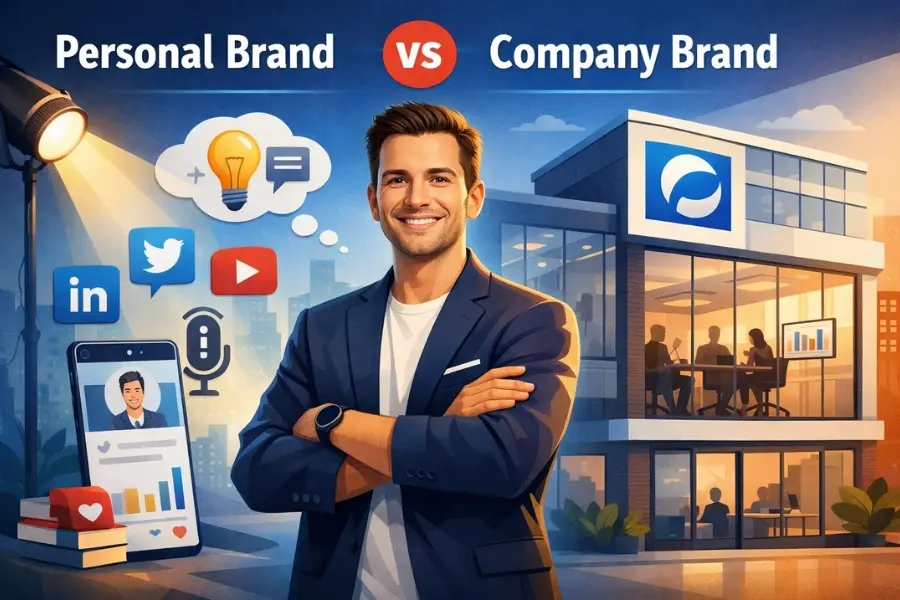
Think of Steve Jobs and Apple; his charisma, vision, and storytelling were inseparable from Apple’s identity. His personal brand made the company more relatable, inspiring, and memorable, showing how intertwined the two brands can be.
FAQs
Here are some detailed questions and answers on “Personal Branding for Founders.
Personal branding for founders is the process of establishing a public persona that reflects a founder’s values, vision, and leadership style. Unlike corporate branding, which focuses on products and services, personal branding centres around the individual. It’s about building trust and relationships by sharing the founder’s story, experiences, and mission, something that humanises the startup and connects emotionally with the audience.
In the early stages, startups often lack a reputation or customer base. Personal branding for founders helps bridge that gap by putting a relatable face to the company. Investors, early customers, and employees are more likely to engage with a founder who is visible, trustworthy, and inspiring. It builds credibility before the brand itself becomes established.
Investors don’t just invest in products—they invest in people. A strong personal brand for a founder shows leadership, vision, and resilience. By consistently sharing your story, achievements, and insights, you demonstrate competence and transparency. This builds investor confidence and makes your startup more appealing.
The core elements include:
Authentic storytelling
Clear values and mission
Consistent online presence
Visual identity (photos, colours, logo if needed)
Engagement with the audience and feedback loops
Thought leadership through content (articles, videos, talks)
These elements together form a powerful personal branding strategy for founders.
Top platforms include:
LinkedIn – for professional updates and thought leadership
Twitter/X – for trends, networking, and real-time opinions
Medium/Substack – for long-form storytelling and insights
YouTube/Podcasts – to build deeper, more personal connections
Instagram/TikTok – if visual or lifestyle branding is relevant
Each channel serves different audiences but can play a key role in personal branding for founders.
Start by:
Defining your core values and mission
Writing a strong LinkedIn bio
Posting weekly about your startup journey
Sharing lessons, failures, and behind-the-scenes stories
Commenting on others’ content to build visibility
Even without followers, consistency builds momentum in personal branding for founders.
Balance is key. Sharing personal stories helps people connect with you, but oversharing can dilute your message. Talk about challenges, lessons, and passions that tie back to your startup’s mission. Emotional intelligence and relevance should guide how much you reveal in your branding as a founder.
Top mistakes include:
Being too promotional instead of adding value
Copying others rather than developing a unique voice
Inconsistent posting or messaging
Ignoring audience engagement and feedback
Being overly curated and inauthentic
Avoiding these will make your branding as a founder more genuine and effective.
Absolutely. Talented professionals are drawn to leaders they admire and trust. If your brand shows vision, transparency, and a strong mission, people will want to work with you. It also helps you stand out in competitive hiring markets.
Personal branding for founders is a long-term strategy. With consistent effort, posting content weekly, engaging with your audience, and showing up authentically, you can start seeing traction in 3–6 months. However, building a strong reputation and influence may take years. Patience and consistency are key.
This FAQs section gives you a lot of knowledge about Personal Branding for Founders.
Conclusion
Why Every Founder Needs a Personal Brand
Your brand is more than just your online presence. It’s your reputation, voice, and the emotional connection people feel toward your vision. In the early stages of business, when trust and visibility are critical, your brand can be the bridge that brings your startup the attention and loyalty it needs to grow.
Start sharing your story, showing up authentically, and connecting with your audience because your greatest marketing asset is you.
Want more business insights? Explore our latest guides on BizIdeas.net to grow smarter, faster, and bolder.





- For bold: [b]text[/b]
- For italic: [i]text[/i]
- For underline: [u]text[/u]
