What is Customer Engagement? Definition, Benefits, and Strategies
Updated: 7 Sep 2026
In today’s business world, success is not only about selling a product or service. It is also about delivering value. It’s about building strong, lasting relationships with customers. This is where customer engagement comes in.
Customer engagement is more than just a buzzword. It’s the way a brand connects, communicates, and builds trust with its audience. Instead of focusing only on one-time sales, engagement encourages long-term loyalty, repeat purchases, and genuine customer satisfaction.
Think about it: people don’t just want to buy from a brand, they want to feel heard, valued, and connected. When customers actively engage with a business, whether through social media, email, feedback, or in-store experiences, they form a bond that extends beyond the product itself.
The benefits are enormous. Engaged customers are more likely to remain loyal, recommend your brand to others, and even defend it when competitors make their presence known. In short, engagement creates a community around your business.
But engagement doesn’t happen by accident. It requires the right strategies, including personalized communication and excellent customer support, as well as leveraging technology such as chatbots, apps, and social media. When done right, these efforts make customers feel like part of your brand’s story.
In this article, we’ll break down what customer engagement really means, why it matters for business growth, and the best strategies you can use to strengthen your relationship with customers.
What is Customer Engagement?
Customer Engagement refers to building and nurturing meaningful interactions between a business and its customers. It involves creating experiences, communications, and relationships that foster trust, loyalty, and satisfaction. Effective customer engagement extends beyond transactions, focusing on how customers feel and interact with a brand across various touchpoints, including social media, email, and in-person interactions. Businesses can boost customer retention, enhance brand reputation, and drive long-term success by prioritizing engagement.
Definition of Customer Engagement
Customer engagement is the process of interacting meaningfully with customers to build strong, long-lasting relationships. It’s not just about selling products or services; it’s about creating memorable experiences that encourage customer loyalty and trust.
Customer Engagement Meaning in Marketing
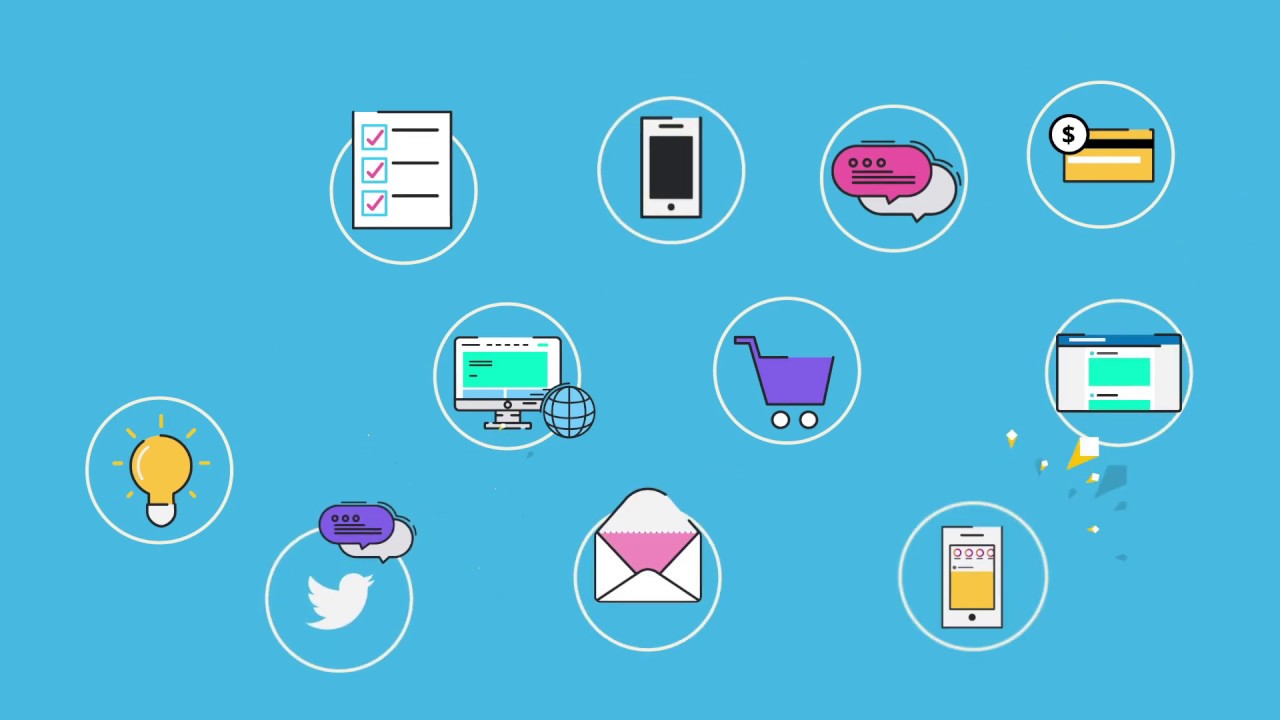
In marketing, customer engagement refers to the ongoing interaction between a brand and its customers. These interactions occur across various channels, including social media, email, websites, and in-person events. The goal is to enhance the customer journey, making each interaction a positive experience that builds trust and a deeper connection with your brand.
Why is Customer Engagement Important?
Builds Lasting Relationships: Engaged customers feel valued and are more likely to stay loyal to your brand.
Enhances Brand Loyalty & Retention: Engaged customers are less likely to switch to competitors.
Encourages Word-of-mouth Recommendations: Engaged customers are more likely to recommend your products/services.
Increases Customer Lifetime Value (CLV): Engaged customers tend to spend more over time, increasing your revenue.
Key Channels for Customer Engagement
Engaging with customers happens across various platforms, including:
- Social Media: Real-time conversations and community building.
- Email Marketing: Personalized communication and updates.
- In-Person Interactions: Strengthening Relationships Through Human Touch.
- Customer Support: Providing prompt and empathetic solutions.
Customer Engagement
Customer Engagement: A Step Beyond Customer Satisfaction
How Engagement Differs from Satisfaction
While customer satisfaction is about meeting or exceeding expectations, customer engagement goes deeper. It’s about creating an emotional connection with your customers, making them feel understood, appreciated, and valued.
The Emotional Connection: Building Relationships
Customers who feel emotionally connected to your brand are more likely to become repeat buyers and even brand advocates. This bond is built through personalized experiences, consistent communication, and a focus on delivering value that extends beyond the products or services.

Don’t let this moment slip by, Let yourself feel and enjoy & Start your own business Today.
Click Here10 Major Benefits of Successful Customer Engagement
Here are 10 key benefits of fostering customer engagement:
1. Increased Customer Loyalty
Engaged customers form a deeper emotional connection with your brand, making them more likely to return repeatedly. This leads to consistent sales, stronger relationships, and a steady revenue stream that sustains your business over time.
2. Enhanced Brand Awareness
When customers are actively engaged, they are more likely to remember your brand and share their positive experiences with others. This organic word-of-mouth promotion amplifies your reach, creating a more substantial and more recognizable brand presence in the marketplace.
3. Improved Customer Retention Rates
Engaged customers feel valued and understood, which reduces their likelihood of switching to competitors. This loyalty translates into lower churn rates and a more stable customer base that supports your business in the long term.
4. Better Customer Feedback and Insights
Engaged customers are more open to sharing their thoughts, ideas, and concerns. This valuable feedback allows you to fine-tune your products, services, and overall customer experience, ensuring you continually meet their evolving needs.
5. Higher Sales Conversions
Customers who are engaged with your brand are more confident in your products and services. This trust and familiarity make them more likely to choose your products or services over competitors, leading to higher conversion rates and increased sales.
6. Cost-Effective Marketing
Fostering engagement reduces reliance on costly acquisition campaigns by turning your existing customer base into advocates. Loyal, engaged customers naturally attract new ones, lowering your overall marketing expenses while boosting ROI.
7. Building Brand Advocacy
Highly engaged customers don’t just stick with your brand; they also become loyal advocates. They also become loyal advocates. They also become loyal advocates. They champion it. They become enthusiastic promoters, sharing their experiences with friends, family, and peers, driving new customer acquisitions through their recommendations.
8. Stronger Community Building
Engaged customers feel part of a brand community, creating a sense of belonging. This fosters stronger emotional bonds, resulting in a more unified and dedicated customer base that supports and promotes your brand.
9. Enhanced Customer Experience
Consistent engagement allows you to anticipate and address customer needs, providing tailored solutions and experiences. This commitment to personalization creates a seamless, enjoyable customer journey that stands out in a competitive market.
10. Long-Term Business Growth
Engaged customers are the cornerstone of sustainable growth. Their loyalty, advocacy, and ongoing support provide a solid foundation for profitability, helping your business thrive in the long run.
Customer Engagement at Every Step of the Funnel
Customer engagement happens at every stage of the buyer’s journey. Here’s how you can engage with your customers at each step:
1. Awareness Stage: Creating Initial Interest
- Targeted Content: Capture attention with engaging blog posts, videos, and social media posts.
- Social Media Ads and Campaigns: Run ads to generate awareness about your brand.
2. Consideration Stage: Personalized Interactions
- Tailored Recommendations: Suggest products or services based on customer behavior or preferences.
- Detailed Product Information: Provide all the necessary details to help customers make informed decisions.
3. Decision Stage: Turning Leads into Customers
- Testimonials & Success Stories: Share positive customer stories to build trust.
- Incentives: Offer discounts, free trials, or bonuses to encourage customers to make a purchase.
4. Retention Stage: Encouraging Loyalty and Advocacy
- Personalized Thank-You Messages: Send messages thanking customers for their purchases and support.
- Loyalty & Referral Programs: Reward customers for their loyalty and encourage them to refer others.
Simplify Customer Engagement: Video
Customer Engagement Strategies for Success
Build a Customer Engagement Marketing Strategy
- Setting Clear Goals: Define your objectives, like increasing loyalty or improving feedback.
- Personalization at Scale: Use customer data to tailor your messaging and offers.
- Multi-Channel Engagement: Connect with customers where they are on social media, by email, or through your website.
- Data Analytics: Continuously monitor performance and adjust your strategy based on real-time data.
Innovative Customer Engagement Activities
- Interactive Social Media Campaigns: Run polls, contests, or challenges to engage your audience.
- Gamification: Increase participation by incorporating fun elements, such as quizzes, rewards, or leaderboards.
- Webinars & Live Q&A Sessions: Host live sessions where customers can interact directly with your brand.
- Rewards & Referral Programs: Implement programs that reward customers for engaging and referring others.
Customer Engagement Tools and Platforms
Choosing the Best Customer Engagement Platform
When selecting a customer engagement tool, look for features like:
- Automation: Tools that automate communication and follow-ups.
- Analytics: Platforms that offer insights into customer behavior and engagement.
The Role of CRM Systems and AI in Engagement
- CRM Systems: Customer Relationship Management (CRM) tools help you track and manage interactions, providing personalized experiences.
- AI and Machine Learning: Use AI to predict customer needs and deliver personalized recommendations at scale.
Customer Engagement Models and Theories
Customer Engagement Theory Explained
Various frameworks and theories help explain what drives customer engagement. These include:
- Behavioral Models: Focus on understanding customers’ actions and how those actions can be influenced.
- Emotional Connection Models: These theories focus on the emotional bonds that drive long-term engagement.
Implementing a Customer Engagement Model
- Use data and insights to integrate engagement strategies into your business operations.
Real-Life Customer Engagement Examples
Case Studies of Successful Customer Engagement
Explore how top brands engage with their customers effectively:
- Starbucks utilizes a loyalty app to reward customers, and its personalized offers increase customer engagement.
- Nike creates an emotional connection through stories and personalized experiences, making customers feel part of the brand.
Examples from Top Brands Across Industries
Different industries use creative methods to engage customers:
- Retail: Amazon uses personalized recommendations based on past purchases.
- Tech: Apple engages customers with product launches and events.
Future Trends in Customer Engagement
There are some Future Trends for Customer Engagement:
AI-Driven Personalization
Artificial Intelligence will continue to improve customer experiences by predicting needs and delivering personalized content at the right time.
The Rise of Customer Engagement Portals and Platforms
Businesses will increasingly adopt centralized customer engagement platforms, making it easier for customers to interact with brands in a seamless manner.
Predictive Analytics in Engagement Strategies
Predictive analytics will be used more frequently to forecast customer behavior, enabling brands to tailor their strategies and maximize engagement.
Advantages and Disadvantages
Here are some advantages and disadvantages of customer engagement:
Advantages of Customer Engagement
Increased Customer Loyalty
Engaged customers are more likely to return for repeat purchases. By making customers feel valued and involved with your brand, they become long-term supporters, boosting customer retention.
Enhanced Brand Awareness
When customers are actively engaged, they share their experiences with others. This word-of-mouth marketing increases your brand’s visibility and attracts new customers.
Better Customer Retention
Engaged customers feel a deeper connection to your brand, reducing their likelihood of switching to competitors. High engagement rates often lead to lower churn rates.
Higher Customer Lifetime Value (CLV)
Engaged customers not only return more often but also tend to spend more. Over time, this leads to a higher CLV, significantly increasing revenue.
Improved Customer Feedback and Insights
Engagement encourages customers to provide feedback, helping you understand their preferences, pain points, and satisfaction levels. This data can improve products, services, and overall customer experience.
Cost-Effective Marketing
When customers are engaged, they are more likely to act as brand advocates. This reduces the need for expensive customer acquisition campaigns since loyal customers help attract new ones through referrals.
Stronger Brand Advocacy
Engaged customers are more likely to recommend your brand to others. This advocacy boosts your brand reputation and attracts new customers at no extra cost.
Personalized Experiences
Customer engagement allows you to understand individual preferences and deliver tailored experiences. Personalization enhances customer satisfaction, making them feel unique and valued.
Competitive Advantage
By engaging with customers more effectively than your competitors, you can differentiate your brand and cultivate a more loyal customer base, giving you a competitive edge in the market.
Improved Customer Experience
Engaged customers have a better overall experience with your brand. Positive experiences at each touchpoint build stronger emotional connections, fostering long-term relationships.
Disadvantages of Customer Engagement
High Resource Investment
Building and maintaining meaningful customer engagement requires a significant amount of time, effort, and resources. Small businesses often struggle to allocate sufficient resources to manage customer engagement across multiple channels effectively.
Complexity in Personalization
Personalizing interactions at scale can be complex, especially for larger businesses. Managing and delivering tailored content effectively to a broad customer base can be difficult without the right tools.
Overwhelming Volume of Communication
Engaging with customers through multiple channels (such as social media, email, and chat) can lead to overwhelming communication. Managing this efficiently requires careful planning and potentially additional staff or tools.
Customer Expectations May Increase
The more you engage with your customers, the higher their expectations become. Customers may start expecting instant responses, personalized offers, and regular interactions, which can be difficult to maintain consistently.
Risk of Over-Engagement
Over-engaging with customers or bombarding them with excessive communication can lead to frustration or annoyance. This can result in customers unsubscribing from your email list, unfollowing social media accounts, or even abandoning your brand entirely.
Data Privacy Concerns
To engage customers effectively, you need to collect and analyze data. However, this raises privacy concerns. Mismanagement of customer data or failing to adhere to privacy regulations could lead to legal consequences and a loss of trust.
Difficulties in Measuring ROI
While engagement is valuable, measuring its direct return on investment (ROI) can be challenging. The impact of customer engagement is often long-term and may not yield immediate results, making it more challenging to demonstrate its effectiveness.
Potential for Negative Feedback
Engaging with customers opens the door for both positive and negative feedback. Negative reviews or complaints can harm your brand’s reputation if not properly managed.
Need for Continuous Innovation
To keep customers engaged, you must consistently develop fresh ideas and strategies. Without innovation, customer engagement efforts may become stale, leading to a loss of interest from your audience.
Technology Dependence
Effective customer engagement relies on CRM systems, AI, and automation tools. Engagement efforts can suffer if these technologies fail or are not integrated properly.
These advantages and disadvantages underscore the importance of striking a balance between engagement efforts to maximize benefits while addressing potential challenges.
Bonus Points
Here are some bonus points that can further enhance your understanding of customer engagement:
Enhanced Emotional Connection: Customer engagement enables brands to connect with their audience on an emotional level, transcending transactional relationships. This emotional connection fosters deeper loyalty, encouraging customers to feel more personally invested in the brand.
Increased Customer Advocacy and Referrals. Engaged customers often become brand advocates, promoting the brand to their peers and sharing their positive experiences online. This creates organic, authentic word-of-mouth marketing, one of the most trusted forms of promotion.
Improved Customer Support and Satisfaction Through engagement, brands can address customer issues quickly and effectively, leading to better customer satisfaction. Proactively offering solutions, answering queries, and providing continuous support enhances the customer’s experience, often turning negative experiences into positive ones.
Customer Engagement Fosters Community Engagement goes beyond individual interactions; it can help foster a sense of community. When brands encourage customers to connect through forums, social media groups, or events, it creates a sense of belonging and shared identity, further strengthening loyalty.
Real-Time Feedback for Faster Improvements. Through continuous engagement, businesses gain immediate insights into customer opinions and feedback. This enables brands to pivot or refine products and services more quickly than traditional market research methods, resulting in more informed, customer-centric decision-making.
Increased Brand Advocacy Through Content Creation. Engaged customers may contribute to your brand’s content through reviews, testimonials, or user-generated content (UGC). This boosts credibility and increases the volume of content related to your brand, which in turn helps with SEO and digital visibility.
Better Product/Service Development Constant interaction and feedback from engaged customers help businesses refine existing products or create new offerings that meet real customer needs. This creates a continuous feedback loop in which your products evolve based on active customer involvement.
Global Reach With customer engagement spanning digital platforms, brands can connect with customers worldwide. This creates a broader audience potential, allowing brands to scale and enter new markets effectively.
Increased Customer Empowerment Engaged customers feel empowered because they have a direct line to voice their opinions, share feedback, and contribute ideas. This empowerment increases satisfaction and builds a loyal customer base that feels heard and valued.
Fostering Long-Term Partnerships Instead of focusing solely on one-off sales, customer engagement helps brands cultivate long-term customer partnerships. Engaged customers become true partners, contributing to the brand’s development and advocating for it in their networks.
By incorporating these bonus points, brands can further enrich their customer engagement strategies and build stronger, more sustainable relationships with their audience.
FAQs
Here are some frequently asked questions (FAQs) with answers about customer engagement to provide a deeper understanding:
Customer engagement refers to a brand’s interactions and relationship-building efforts with its customers over time. It extends beyond simple transactions and focuses on creating emotional connections through various touchpoints, including social media, email, customer support, and in-person experiences. The goal is to foster customer loyalty, advocacy, and long-term relationships.
Customer engagement is vital because it builds lasting relationships, enhances brand loyalty, and encourages repeat business. Engaged customers are more likely to recommend a brand to others, which can lead to increased sales and customer retention. It also provides valuable insights into customer needs, which can help improve products and services.
Customer satisfaction measures how well a product or service meets a customer’s expectations, while customer engagement focuses on building an emotional connection with the customer. Engagement fosters long-term relationships, while satisfaction is more short-term and transactional.
Some effective customer engagement strategies include:
- Personalization: Tailoring content and offers to individual customer preferences.
- Multi-channel communication: Engaging with customers on their preferred platforms (e.g., social media, email, mobile apps).
- Loyalty programs: Offering rewards and incentives to encourage repeat business.
- Interactive campaigns: Creating contests, polls, or live events to engage customers actively.
- Proactive customer support: Providing prompt and helpful responses to inquiries and issues.
The main benefits of customer engagement include:
- Increased loyalty and retention.
- Higher customer lifetime value (CLV).
- More word-of-mouth referrals.
- Better customer insights for product improvements.
- Cost-effective marketing, as engaged customers are more likely to share and recommend your brand.
- More vigorous brand advocacy and a positive reputation.
Some tools that can help improve customer engagement include:
- Customer Relationship Management (CRM) software (e.g., Salesforce, HubSpot) to track interactions and manage customer relationships.
- Social media platforms (e.g., Facebook, Instagram, Twitter) for direct communication and content sharing.
- Email marketing tools (e.g., Mailchimp, Constant Contact) for personalized and automated campaigns.
- Live chat and chatbots will provide instant support.
- Survey tools (e.g., SurveyMonkey) to gather feedback and insights from customers.
Customer engagement drives sales by:
- Building trust and loyalty leads to repeat purchases.
- Personalizing offers based on customer behavior increases conversion rates.
- Encouraging social sharing and referrals to expand the customer base.
- Addressing customer concerns proactively leads to higher satisfaction and repeat business.
- Improving brand visibility through customer-driven content like reviews, testimonials, and social media mentions.
Some challenges of customer engagement include:
- Resource allocation requires time, effort, and tools, which can be challenging for small businesses.
- Data privacy concerns: Collecting and analyzing customer data must be done responsibly to avoid breaches or legal issues.
- Over-engagement: Bombarding customers with too many messages or offers can lead to fatigue or annoyance.
- Meeting customer expectations: Engaged customers may expect faster responses and personalized experiences, which can be challenging to manage at scale.
Customer feedback is crucial for engagement because it offers valuable insights into customer preferences, pain points, and overall satisfaction levels. Engaging with customers to gather feedback demonstrates that the brand values their opinions, thereby strengthening the relationship between the brand and its customers. It also enables businesses to make data-driven decisions that improve products, services, and the overall customer experience.
Customer engagement impacts long-term business growth by:
- Creating a loyal customer base that provides stable, recurring revenue.
- Fostering brand advocacy, leading to organic growth through referrals.
- Enhancing the customer experience and fostering positive interactions that strengthen our reputation.
- Helped with product development, as engaged customers provided feedback to refine offerings.
- Encouraging repeat business and increasing customer lifetime value (CLV).
To measure the success of customer engagement, track key metrics such as:
- Customer retention rate: How many customers return for repeat purchases.
- Customer lifetime value (CLV): The total revenue a customer generates over their relationship with the brand.
- Engagement rate: The level of interaction (e.g., likes, comments, shares) on social media and other channels.
- Net Promoter Score (NPS): A measure of customer satisfaction and likelihood to recommend the brand.
- Customer feedback: Direct insights from customers on their experiences with the brand.
AI plays a significant role in customer engagement by helping brands personalize interactions, predict customer needs, and automate specific processes. Examples include:
- Chatbots for instant customer support.
- Predictive analytics to anticipate customer behavior and personalize offers.
- AI-driven recommendations based on past behavior and preferences.
- Automated marketing campaigns that target specific customer segments.
These questions and answers delve deeper into customer engagement, its importance, strategies, and tools to help businesses establish stronger customer connections.
Conclusion
Customer engagement is no longer just about selling a product; it’s about building a lasting relationship. It’s about fostering meaningful, ongoing relationships that benefit both your business and its customers. By employing the right strategies, tools, and technology, you can cultivate a loyal customer base that helps your business thrive.
Call to Action
Start building your customer engagement strategy today and discover how it can transform your business.
The “What Is Customer Engagement?” article on bizideas.net does a solid job unpacking how meaningful interactions at every stage of the customer journey, from awareness through retention, can strengthen loyalty and fuel growth. It offers practical strategies, such as personalization, rewards programs, and multi-channel outreach, to turn passive customers into active advocates. If you’re curious how brands in other industries (such as skincare) use credibility and expert backing to build trust, take a look at this post on derm-backed eye creams. It shows how linking expert validation to products can boost engagement and perceived value.






JrFYtRplWJhbmxyEONweY
JrFYtRplWJhbmxyEONweY
JrFYtRplWJhbmxyEONweY
qxLGilvzhRHpioUOwRN
YwuXDwchCsUqUAISjrqU