Digital Marketing: The Complete Guide to Grow Your Business
Updated: 20 Mar 2026
Digital marketing has become the backbone of business growth and success in today’s fast-paced world. But what is digital marketing? Simply put, it involves utilizing online platforms and strategies to promote products or services and connect with potential customers. From small startups to global corporations, businesses leverage digital marketing to reach wider audiences, generate leads, and drive sales.
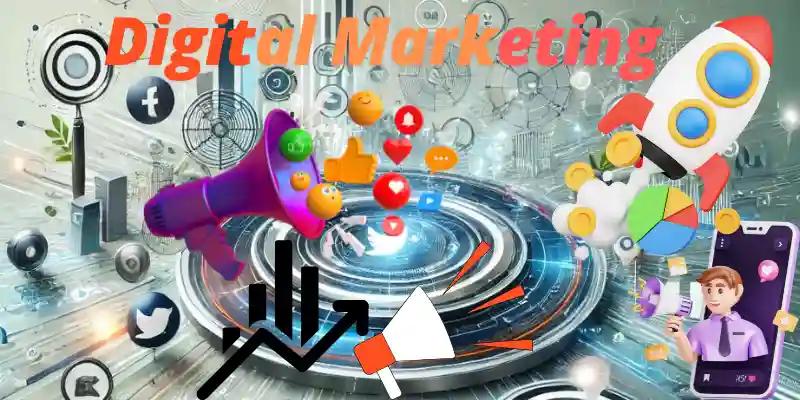
Digital Marketing
Digital Marketing is the use of online platforms, digital channels, and internet-based technologies to promote products, services, or brands. It includes strategies such as SEO (Search Engine Optimization), social media marketing, content marketing, email campaigns, and online advertising to reach a wider audience, attract potential customers, and foster long-term relationships.
Unlike traditional marketing, digital marketing is more cost-effective, measurable, and enables businesses to engage with their audience in real-time.
What is Digital Marketing?
Digital marketing involves utilizing digital channels, technologies, and platforms to promote products, services, or brands, thereby reaching and engaging customers. It encompasses all online marketing efforts where businesses connect with their audience through the Internet and electronic devices.

The 10 Types of Digital Marketing.
The 10 types of digital marketing encompass all the major strategies businesses use to expand their online presence. These include Search Engine Optimization (SEO), Content Marketing, Social Media Marketing, Pay-Per-Click Advertising (PPC), Email Marketing, Affiliate Marketing, Influencer Marketing, Mobile Marketing, Video Marketing, and Marketing Analytics. Each type plays a unique role in attracting, engaging, and converting customers, and when combined, they create a powerful digital marketing strategy for business growth.
1. Search Engine Optimization (SEO):
SEO involves optimizing your website and content to increase its visibility in search engine results pages (SERPs). The goal is to appear on the first page of Google and other search engines when users search for relevant keywords. There are two main aspects of SEO:
- On-page SEO: This involves optimizing individual pages of your website, ensuring proper keyword usage, creating high-quality content, optimizing metadata (title tags and meta descriptions), utilizing internal links, and ensuring mobile-friendliness.
- Off-page SEO focuses on building high-quality backlinks from reputable websites, thereby boosting your domain authority and enhancing your website’s credibility.
Additionally, technical SEO (Off-page SEO) ensures that your website loads quickly, is secure (HTTPS), and has a structure that search engines can easily crawl and index.
2. Content Marketing:
Content marketing involves creating and distributing valuable, relevant, consistent content to attract and retain a defined audience. It aims to build brand awareness, establish trust, and drive conversions. Types of content include:
- Blog posts: Provide detailed insights into specific topics relevant to your audience.
- Videos: Engage viewers and provide more dynamic ways of delivering information.
- Infographics: Visualize complex information to simplify it and make it easier to digest.
- Ebooks and whitepapers: Offer in-depth, downloadable content in exchange for user contact information.
- Podcasts: Reach audiences who prefer audio content while commuting or multitasking.
Content marketing focuses on educating and nurturing leads without directly promoting sales. It’s a long-term strategy for fostering brand loyalty.
3. Social Media Marketing:
Social media marketing involves leveraging platforms like Facebook, Instagram, Twitter, LinkedIn, Pinterest, TikTok, and others to promote your products, services, or content. Key elements include:
- Content creation: Posting content that aligns with your brand, engaging with followers, and sharing relevant updates.
- Engagement: Responding to comments in direct messages and actively participating in conversations relevant to your brand.
- Paid ads: Running targeted ad campaigns to reach specific demographics or interests.
- Influencer partnerships: Collaborating with influencers to reach new audiences who trust their opinions.
Social media marketing enables brands to establish a direct line of communication with their customers and foster strong community engagement.
4. Email Marketing:
Email marketing is one of the most effective tools for nurturing relationships with prospects and current customers. This can include:
- Newsletters: Regular updates or news about your company, products, or services.
- Promotional emails: Special offers, discounts, or limited-time deals.
- Automated email sequences: A series of emails sent based on specific actions a user takes (e.g., after signing up for a newsletter, abandoning a cart, etc.).
- Personalized emails: Tailoring the content based on customer behavior, preferences, or previous interactions with your brand.
Effective email marketing campaigns require audience segmentation to send the right message at the right time.
5. Pay-Per-Click Advertising (PPC):
PPC is a form of digital advertising where advertisers pay each time a user clicks on one of their ads. Common types of PPC campaigns include:
- Search Ads: Ads that appear in search engine results when users search for specific keywords (e.g., Google Ads).
- Display Ads: Visual banner ads on websites, apps, and social media platforms.
- Retargeting Ads: Ads that target users who have previously visited your website but didn’t convert.
- Shopping Ads: Ads for e-commerce businesses that display product images, prices, and store names directly in search results.
PPC campaigns can generate immediate traffic and leads, especially for time-sensitive offers.
6. Affiliate Marketing:
Affiliate marketing is a performance-based strategy where businesses partner with affiliates (other websites, bloggers, influencers, etc.) to promote their products or services. In return, affiliates earn a commission for driving traffic or sales to the business’s website.
- Affiliate networks, such as ShareASale or Amazon Associates, connect businesses with affiliate marketers.
- Referral links: Affiliates use unique links to track the traffic and sales they generate.
- Performance tracking: Success is measured based on clicks, conversions, or leads the affiliate generates.
It enables businesses to expand their reach without incurring upfront costs, while rewarding affiliates based on their performance.
7. Influencer Marketing:
Influencer marketing uses individuals with a strong online presence and dedicated following (influencers) to promote a product or service. Influencers can range from micro-influencers (those with small but highly engaged audiences) to macro-influencers and celebrity influencers with millions of followers.
- Influencer collaborations: Partnering with influencers to create sponsored content (e.g., product reviews, social media posts).
- Affiliate relationships: Influencers can also promote products using affiliate links, earning a commission for each sale.
- Product seeding: Sending free products to influencers to review or showcase on their platforms.
Influencer marketing builds trust and authenticity, as followers often see influencers as trusted experts.
8. Online PR and Reputation Management:
Online PR involves managing your brand’s presence on digital platforms, including social media, online reviews, blogs, and forums. It focuses on:
- Building media relationships: Working with journalists and bloggers to get press coverage.
- Managing online reviews: Encouraging happy customers to leave reviews while addressing negative feedback in a professional manner.
- Crisis management: Handling any negative publicity that might affect your brand’s reputation online.
Effective online PR enhances brand credibility and trust, critical in today’s transparency-driven market.
9. Conversion Rate Optimization (CRO):
CRO is the process of improving the effectiveness of your website in converting visitors into customers or leads. This can involve:
- A/B testing: Comparing different versions of a webpage or ad to see which performs better.
- Landing page optimization: Ensuring your landing pages are relevant, fast-loading, and persuasive.
- Improvements in user experience (UX) include simplifying navigation, reducing friction in forms, and streamlining the buying process.
A higher conversion rate means you get more value from your website traffic without increasing your visitor numbers.
10. Analytics and Data Marketing:
Analytics and data marketing use data to inform decisions, measure success, and improve performance. Common tools include:
- Google Analytics: Tracks website traffic, user behavior, and conversion data.
- Social media analytics: Platforms like Facebook Insights or Twitter Analytics help assess the performance of your social media posts and ads.
- A/B testing tools: Tools like Optimizely or Unbounce allow you to test different page elements to see which one performs best.
Data-driven marketing allows businesses to optimize strategies, better understand their customers, and improve ROI.
Why Digital Marketing Matters?
- Global Reach: With digital marketing, businesses can reach an international audience 24/7, breaking geographical boundaries.
- Cost-Effective: Unlike traditional marketing (TV, print ads), digital marketing offers more affordable and measurable options, especially for small businesses.
- Targeted Audience: Digital marketing tools allow precise targeting based on location, age, interests, and past behavior.
- Real-Time Engagement: Social media, emails, and chatbots enable immediate interaction with customers, enhancing satisfaction and loyalty.
- Measurable Results: The effectiveness of digital campaigns can be tracked through analytics, providing clear insights into ROI.
Digital marketing is a crucial strategy for businesses in today’s digital-first world to remain competitive and grow.
Why is Digital Marketing Important?
- Digital marketing enables businesses to reach a global audience at a fraction of the cost compared to traditional marketing methods.
- It enables precise targeting based on demographics, interests, and behaviors.
- Businesses can track performance and ROI using analytics tools.
- It enhances customer engagement through social media, email, and other channels.
Digital Marketing in Business Development
Digital marketing plays a significant role in business management and development. Companies utilize tools such as search engine optimization (SEO), pay-per-click (PPC) advertising, and social media to enhance brand visibility, generate revenue, and achieve sustainable growth.
Importance and Benefits of Digital Marketing
Digital Marketing is essential for businesses today because it offers cost-effective ways to reach a global audience, build strong customer relationships, and drive measurable results. Unlike traditional marketing, it enables precise targeting, real-time analytics, and higher engagement through channels such as SEO, social media, email, and online ads. The key benefits of digital marketing include affordability, wider reach, personalized communication, improved brand visibility, and the ability to track ROI accurately, making it a powerful tool for business growth in the digital age.
1. Cost-effective compared to traditional marketing
- Lower Advertising Costs: Digital marketing methods, including social media, email marketing, and search engine marketing, are significantly more affordable than traditional advertising methods such as print, radio, and television. Small businesses with limited budgets can compete effectively with larger companies through digital channels.
- Efficient Resource Allocation: Digital marketing enables businesses to allocate their budgets more efficiently, focusing on channels that deliver the highest return on investment (ROI). With tools like Google Ads or Facebook Ads, businesses can set specific budgets and adjust as needed.
2. Real-time performance tracking and data analysis
- Immediate Insights: Digital marketing tools provide real-time data on the performance of healthy campaigns. Marketers can track metrics such as website traffic, click-through rates, conversion rates, and more, enabling businesses to make quick adjustments to optimize their campaigns.
- Data-Driven Decisions: By analyzing performance data, businesses can gain a deeper understanding of their audience’s behavior, preferences, and pain points. This enables more informed decisions about future campaigns, content creation, and product offerings, ensuring that strategies are continually improved.
3. Increased customer engagement and brand awareness
- Interactive Platforms: Social media, blogs, and websites allow businesses to engage directly with customers. Companies can respond to customer inquiries, comments, and feedback, creating a sense of community and fostering loyalty.
- Brand Recognition: Consistent and targeted digital marketing efforts enable businesses to maintain a strong presence in their target audience’s minds. Over time, this leads to increased brand recognition, trust, and awareness, which are essential for customer retention and new customer acquisition.
4. Precise targeting of audiences through demographics and behavior
- Targeted Advertising: Digital marketing platforms (such as Google Ads and Facebook Ads) allow businesses to target specific demographics, interests, and behaviors. For example, companies can target people based on age, location, gender, browsing history, or purchase behavior.
- Increased Relevance: With precise targeting, businesses can create more relevant and personalized ads that resonate with their audience. This leads to higher engagement, better conversion rates, and more efficient use of marketing budgets.
5. Scalability for businesses of all sizes
- Flexible Campaign Scaling: Whether a small startup or a large enterprise, digital marketing campaigns can be scaled to meet your needs. As your business grows, you can increase your budget and expand your digital marketing efforts across multiple channels.
- Accessible to Everyone: Unlike traditional marketing, which often requires substantial budgets, digital marketing offers scalable solutions for businesses of all sizes. Small businesses can start small and gradually grow their digital marketing efforts without significant upfront investments.
How Digital Marketing Helps Businesses Grow
Digital marketing helps businesses grow by increasing online visibility, attracting targeted customers, and building stronger relationships through personalized campaigns. It drives brand awareness, boosts sales, and provides measurable results, making it one of the most effective strategies for long-term business success.
1. Reach local and international audiences
- Global Visibility: Digital marketing removes geographical barriers, enabling businesses to reach potential customers worldwide. Companies can engage with audiences across various regions and countries through platforms like Google, Facebook, Instagram, and YouTube.
- Localized Campaigns: While digital marketing enables a global reach, it also facilitates hyper-local targeting. Businesses can tailor their messages and promotions to specific geographic areas, ensuring that they are relevant and resonate with local audiences.
- Expanding Market Reach: Digital tools such as paid search ads and social media campaigns help businesses tap into markets that may have previously been inaccessible due to traditional marketing constraints.
2. Use data to understand customer preferences
- Customer Insights: Digital marketing provides valuable data on customer behavior, allowing businesses to gain deep insights into what their customers are looking for, how they interact with products, and which types of content they engage with.
- Personalized Experiences: Businesses can enhance their marketing efforts by analyzing customer data to tailor their messaging to individual preferences. This could involve personalized emails, content recommendations, or targeted ads that cater to specific customer needs, improving engagement and conversion rates.
- Behavioral Tracking: Tools like Google Analytics and social media insights enable businesses to track customers’ online activities, including pages visited, time spent on the website, and actions taken. This data helps companies to refine their strategies and improve customer experiences.
3. Drive measurable results, ensuring maximum ROI
- Trackable Metrics: Digital marketing campaigns deliver precise and measurable results. Tools like Google Analytics, Facebook Insights, and email marketing platforms provide data on the number of people who view and interact with ads, the actions they take, and the revenue generated from these efforts.
- Optimizing Campaigns: Real-time performance tracking enables businesses to identify which strategies are effective and which are not. This allows for quick adjustments, such as tweaking ad copy, adjusting targeting, or changing creative content, ensuring continuous improvement and maximum ROI.
- Cost Efficiency: Digital marketing allows businesses to allocate budgets more efficiently by focusing resources on high-performing campaigns. Unlike traditional marketing, which can be difficult to measure effectiveness, digital marketing provides clear data that helps businesses optimize their marketing budget.
How to Start a Digital Marketing Business
Starting a digital marketing business can be lucrative in today’s digital era. Here’s a step-by-step guide:
Step 1: Learn Digital Marketing Skills
- Enroll in digital marketing courses or certifications.
- Master SEO, social media, content marketing, and analytics.
Step 2: Define Your Niche
Focus on industries like healthcare, e-commerce, or real estate.
Step 3: Build a Portfolio
Offer services to small businesses or non-profits to build experience.
Step 4: Set Up Your Agency
Create a professional website showcasing your services, case studies, and client testimonials.
Step 5: Market Your Business
Use SEO, PPC, and social media to attract potential clients.
Roles and Responsibilities of a Digital Marketer
A digital marketer is responsible for planning, executing, and managing online marketing campaigns to promote a brand, product, or service. Their role encompasses SEO optimization, content creation, social media management, paid advertising, email marketing, and data analysis to enhance performance and drive business growth.
What Does a Digital Marketer Do?
Digital marketers are responsible for the following:
- Creating and managing online marketing campaigns.
- Optimizing websites for SEO and improving organic traffic.
- Managing social media accounts and running paid ads.
- Analyzing campaign data and generating reports.
What Skills Are Needed for Digital Marketers?
- SEO and analytics knowledge
- Content creation and copywriting
- Social media management
- Email marketing tools (e.g., Mailchimp)
- PPC advertising (Google Ads, Facebook Ads)
Is digital marketing a good business idea?
Yes, digital marketing is a great business idea with substantial growth potential for the following reasons:
1. High Demand
- Digital marketing is essential for businesses of all sizes, from startups to global corporations, to build their online presence and reach customers.
- As businesses increasingly move online, the demand for services such as SEO, social media marketing, PPC advertising, and content marketing continues to grow.
2. Low Startup Costs
- Starting a digital marketing business requires minimal investment compared to traditional companies. You mainly need:
- A laptop
- Internet connection
- Skills in digital marketing tools (e.g., Google Ads, Facebook Ads, SEO tools)
3. Scalability
- Digital marketing services can scale quickly. As you build your client base and reputation, you can expand into related services like:
- Influencer marketing
- Email automation
- E-commerce optimization
4. Global Reach
- You can provide services to clients worldwide, enabling you to generate higher revenue and capitalize on more opportunities.
5. Flexibility
- Digital marketing offers flexible work hours and remote work arrangements, making it an ideal fit for freelancers and global teams.
6. Diverse Revenue Streams
- You can earn money through:
- Offering consulting services
- Running ad campaigns for clients
- Affiliate marketing
- Selling online courses on digital marketing
7. High ROI for Clients
- Digital marketing delivers measurable results, keeping clients happy and building trust for recurring revenue.
Tips for Success in a Digital Marketing Business:
- Choose a Niche: To stand out, specialize in areas like SEO, social media marketing, or email campaigns.
- Upskill: Stay updated with trends (AI tools, analytics, content strategies).
- Build a Portfolio: Offer free or discounted services initially to gain reviews and showcase your results.
- Use Automation Tools: Tools like HubSpot, SEMrush, and Hootsuite streamline tasks and save time.
- Network: Connect with businesses and entrepreneurs via LinkedIn or local events.
Digital marketing can be a profitable and sustainable business idea if executed well.
Digital Marketing Trends
The digital marketing landscape is constantly evolving. Here are some key trends:
1. AI and Automation
Artificial Intelligence (AI) is revolutionizing marketing with chatbots, data analysis, and personalized recommendations.
2. Video Marketing
Short-form videos on platforms like TikTok, YouTube Shorts, and Instagram Reels are becoming a key strategy for driving engagement.
3. Voice Search Optimization
With voice assistants like Alexa and Google Assistant, optimizing content for voice search is crucial.
4. AR and 3D Marketing
Augmented Reality (AR) and 3D visuals help brands offer interactive and immersive experiences.
Examples of Digital Marketing in Business
Examples of digital marketing in business include running social media ad campaigns, optimizing websites for SEO, sending targeted email newsletters, and creating engaging video content to attract customers.
Case Studies: Global Success Stories
1. Amazon: Personalized Recommendations & Retargeting Ads
- Personalized Recommendations: Amazon uses data to suggest relevant products, increasing conversion rates.
- Retargeting Ads: These ads are shown to customers who have viewed products but didn’t make a purchase, driving sales.
2. Zomato: Social Media & Location-Based Marketing
- Social Media Engagement: Zomato uses Instagram and Facebook to engage users and build a brand presence.
- Location-Based Marketing: Recommends nearby restaurants based on the user’s location, driving more traffic.
3. Airbnb: User-Generated Content & Influencer Partnerships
- User-Generated Content: Customers share experiences, creating authenticity and trust.
- Influencer Partnerships: Collaborates with influencers to showcase unique stays, attracting new users.
4. Nike: Inspirational Content & Influencer Marketing
- Inspirational Content: Nike’s storytelling motivates consumers, fostering emotional connections.
- Influencer Marketing: Partners with athletes and influencers to increase brand reach and credibility.
5. Coca-Cola: Viral Campaigns & Interactive Social Media
- Viral Campaigns: The “Share a Coke” campaign boosted engagement and sales through personalization.
- Interactive Social Media: Engages users with contests, user-generated content, and real-time communication.
6. Starbucks: Loyalty Programs & Mobile Marketing
- Loyalty Programs: Starbucks Rewards drives repeat business through personalized rewards.
- Mobile Marketing: The Starbucks app encourages mobile orders, location-based offers, and promotions.
7. Dell: Email Marketing & Lead Generation
- Email Marketing: Dell uses personalized email campaigns to nurture leads and drive sales.
- Lead Generation: Targets specific business needs with tailored messaging, resulting in high conversion rates.
8. Spotify: Data-Driven Personalization & Social Sharing
- Data-Driven Personalization: Spotify utilizes user data to curate personalized playlists, thereby increasing user engagement.
- Social Sharing: Users can share music on social media, helping Spotify grow its user base organically.
9. McDonald’s: Social Media & Localized Campaigns
- Social Media Engagement: McDonald’s uses social media to promote limited-time offers and interact with customers.
- Localized Campaigns: Targets specific regional preferences to boost sales in different markets.
10. Netflix: Content Marketing & Personalized Recommendations
- Content Marketing: Netflix promotes original shows and films through targeted ads and social media.
- Personalized Recommendations: The platform suggests content based on viewing history, increasing user retention.
These global examples demonstrate how businesses utilize digital marketing to engage with their audiences, personalize experiences, and achieve measurable success.
Business Digital Marketing in Different Countries
Business digital marketing varies across countries, as cultural preferences, consumer behavior, and popular platforms differ. For example, the U.S. focuses heavily on social media ads and influencer marketing, whereas countries like China rely on platforms such as WeChat, Weibo, and TikTok (also known as Douyin). In Europe, data privacy rules like GDPR shape marketing strategies, whereas in developing countries, mobile marketing and WhatsApp campaigns are more effective.
1. Canada: Localized SEO & PPC Campaigns
- Localized SEO: Businesses in Canada focus on optimizing local search terms and geographic locations to target specific regional audiences. This helps companies improve their visibility in local search results and attract nearby customers.
- PPC Campaigns: Pay-per-click (PPC) advertising on platforms like Google Ads is used extensively to drive immediate traffic. Businesses often target specific Canadian cities or provinces to reach the most relevant audience.
2. India: Influencer Marketing & Social Media Ads
- Influencer Marketing: Indian businesses utilize influencers on platforms such as Instagram, YouTube, and TikTok to reach a wide audience. Influencers help promote products in a relatable and engaging manner, often leading to higher engagement and sales.
- Social Media Ads: With a massive social media user base, businesses in India utilize Facebook, Instagram, and WhatsApp ads to target their desired demographic. Ads are tailored to diverse audience segments, maximizing reach and impact.
3. Dubai: Luxury Branding through Digital Channels
- Luxury Branding: In Dubai, digital marketing often emphasizes high-end, luxury branding. Businesses use visually appealing, high-quality content on platforms like Instagram and YouTube to showcase their products in an exclusive and aspirational light.
- Influencer Collaborations: Dubai is home to many fashion, travel, and lifestyle influencers. Luxury brands frequently partner with influencers to boost prestige and appeal to high-net-worth individuals.
- Targeted Campaigns: Ads are often customized to cater to Dubai’s affluent demographic, focusing on exclusivity, luxury, and premium services.
4. United States: Data-Driven Marketing & Content Marketing
- Data-Driven Marketing: U.S. businesses heavily rely on data analytics to optimize digital marketing strategies, using insights from customer behavior to create personalized experiences and targeted ads.
- Content Marketing: In the U.S., content is king, with businesses focusing on blogs, podcasts, and video content to engage customers. This strategy helps establish authority, foster trust, and cultivate long-term customer relationships.
5. United Kingdom: Omnichannel Marketing & Email Campaigns
- Omnichannel Marketing: UK businesses employ omnichannel marketing strategies, integrating online and offline channels to provide a seamless experience. This includes using websites, mobile apps, and physical stores to engage customers.
- Email Campaigns: Email marketing remains a powerful tool in the UK for nurturing leads, promoting products, and fostering customer loyalty.
6. Australia: Social Media & Video Content
- Social Media Advertising: With a high social media penetration rate, Australian businesses utilize platforms such as Facebook, Instagram, and LinkedIn for targeted advertising. Social media campaigns are often tailored to specific interest groups, such as fitness, travel, or technology.
- Video Content: Video marketing is on the rise, with Australian businesses investing in YouTube ads, live streaming, and video posts to boost engagement.
These digital marketing strategies demonstrate how businesses adjust their approaches to align with cultural trends, market demands, and digital behavior in each country, thereby tailoring campaigns for maximum impact.
Digital Marketing Courses and Certifications
Whether you’re a beginner or a professional, there are courses to enhance your digital marketing skills:
Top Digital Marketing Courses
- Google Digital Garage – Free course on digital marketing basics.
- HubSpot Academy – Advanced SEO, content marketing, and email marketing courses.
- Coursera – Digital marketing specializations for professionals.
Certifications for Remote Jobs
Many companies prefer certified digital marketers for remote jobs or freelance opportunities.
Advantages & Disadvantages
Here are some Advantages & Disadvantages of Digital Marketing:
Advantages of Digital Marketing
- Cost-Effective
- Digital marketing is more cost-effective than traditional marketing methods, such as TV, radio, or print ads. Tools like social media and email marketing have low costs but can yield high returns.
- Wider Reach
- You can target global audiences or specific geographic locations, enabling small businesses to compete with larger ones.
- Targeted Marketing
- Using tools like Google Ads, Facebook Ads, and email marketing, you can segment and target audiences based on demographics, behavior, interests, and location.
- Measurable Results
- Digital marketing tools allow you to track campaign performance in real-time using metrics such as website traffic, conversion rates, and ROI.
- High Engagement
- Social media platforms, blogs, and email campaigns allow two-way communication, enabling brands to interact directly with customers and improve engagement.
- Personalization
- Digital marketing enables the creation of tailored content, personalized email campaigns, and product recommendations based on customer behavior and interests.
- 24/7 Availability
- Campaigns run online 24/7, enabling businesses to reach customers at any time without time constraints.
- Scalability
- Digital marketing campaigns can be easily scaled up or down based on budgets, goals, or market response.
- Higher ROI
- Businesses can achieve a better return on investment than traditional methods by targeting their efforts more effectively and being more cost-efficient.
- Improved Conversion Rates
- With tools like landing pages, CTAs, and email marketing, converting leads to customers becomes more streamlined and effective.
Disadvantages of Digital Marketing
- High Competition
- The digital space is saturated, making it challenging to stand out without unique strategies, strong branding, or a competitive edge.
- Dependence on Technology
- Digital marketing relies on the internet and technology. Issues like website downtime, server errors, or slow connections can disrupt campaigns.
- Constant Updates and Learning
- The digital marketing landscape changes rapidly (e.g., new algorithms, trends, or tools). Businesses must continually adapt and upskill.
- Security and Privacy Concerns
- Data breaches, hacking, and customer privacy violations can harm brand reputation and lead to legal issues.
- Time-Consuming
- Successful campaigns, content creation, SEO, and social media management require significant time and effort.
- Negative Feedback
- Negative reviews or public criticism on social media can go viral and quickly damage a brand’s reputation.
- Ad Blockers
- Many users install ad blockers, which prevent display ads and reduce visibility.
- Requires Technical Skills
- Understanding tools like Google Analytics, Facebook Ads Manager, or SEO requires technical expertise.
- Over-Reliance on Automation
- Excessive automation can make campaigns feel impersonal, reducing the emotional connection with the audience.
- Short Attention Span of Users
- Online audiences have limited attention spans, so businesses must create compelling and concise content to capture their interest.
The Future of Digital Marketing
The future of digital marketing is evolving rapidly, with emerging technologies shaping how businesses connect with their customers. Here’s how AI, VR, and automation are expected to impact the industry:
1. Artificial Intelligence (AI)
- Personalization: AI will continue to enhance the ability to personalize customer experiences. By analyzing large data sets, AI can predict customer behavior, personalize content, and optimize campaigns in real-time, leading to more effective marketing strategies.
- Chatbots and Virtual Assistants: AI-driven chatbots will become increasingly sophisticated. They will provide real-time customer support and handle inquiries on websites and social media, offering seamless communication and improving customer service efficiency.
- Predictive Analytics: AI will help businesses predict customer needs and trends, enabling proactive marketing strategies and campaign optimizations that anticipate consumer behavior before it occurs.
2. Virtual Reality (VR)
- Immersive Brand Experiences: VR will revolutionize how businesses deliver brand experiences, allowing customers to engage with products virtually. This is especially important for the retail, real estate, and travel industries, where customers can visualize products and experiences before making a purchase.
- Virtual Showrooms: In sectors such as fashion and furniture, VR will enable customers to explore virtual showrooms from the comfort of their own homes, offering a new, engaging way to shop and reducing the need for in-person store visits.
- Event Marketing: Brands will utilize VR to host immersive virtual events, product launches, and trade shows, allowing customers to participate from anywhere worldwide.
3. Automation
- Marketing Automation: Businesses will increasingly rely on automation tools to streamline email marketing, social media posts, and customer relationship management (CRM). Automation will allow businesses to deliver the right message to the right person at the right time, improving engagement and conversions.
- AI-Powered Automation: AI will help marketers create automated campaigns based on real-time data and consumer behavior. This will allow businesses to adapt their strategies dynamically and enhance the customer journey through personalized content and interactions.
- Efficiency & Time-Saving: Automation tools help businesses save time by handling repetitive tasks, such as reporting, data analysis, and content scheduling, thereby freeing up teams to focus on the creative and strategic aspects of marketing.
4. Voice Search & Smart Devices
- Voice Search Optimization: With the rise of smart devices like Amazon Alexa, Google Assistant, and Siri, optimizing content for voice search will become crucial. Businesses must adapt their SEO strategies for more conversational, natural language queries.
- Smart Devices Integration: Marketing campaigns will integrate with smart devices, allowing businesses to send personalized messages and offers to users through their smart speakers, wearables, and other connected devices.
5. Video & Interactive Content
- Short-Form Video: Platforms like TikTok, Instagram Reels, and YouTube Shorts pave the way for short-form video content to dominate digital marketing strategies. Businesses will need to create engaging, bite-sized content that captures attention quickly.
- Interactive Content: Interactive content, such as quizzes, polls, and interactive ads, will continue to grow, allowing customers to engage meaningfully with brands, foster stronger connections, and increase brand loyalty.
6. Data Privacy & Ethical Marketing
- Stricter Regulations: With growing concerns over data privacy, businesses must adopt transparent practices around customer data. The future of digital marketing will see a push for ethical marketing practices, ensuring that customer data is handled responsibly and in compliance with regulations such as the GDPR.
- Trust-Building: Consumers increasingly prioritize brands that demonstrate trustworthiness, transparency, and social responsibility in their marketing campaigns.
Adapting to the Future
To remain competitive in digital marketing, businesses must continuously innovate and adapt to emerging technologies. By embracing AI, VR, and automation, while staying ahead of evolving privacy regulations, companies can create more personalized, engaging, and efficient marketing strategies that resonate with today’s tech-savvy consumers.
FAQs
Frequently Asked Questions & Answers to Related Digital Marketing.
The seven types include SEO, content marketing, social media marketing, email marketing, PPC advertising, affiliate marketing, and influencer marketing.
Start by learning essential skills, building a portfolio, and offering services through a professional website.
A digital marketer manages online campaigns, optimizes websites, creates content, and analyzes data for business growth.
Yes, it’s a highly profitable business with growing demand worldwide.
.
Conclusion
Digital marketing is transforming the way businesses connect with customers and grow their brands. Leveraging digital marketing strategies from startups to global enterprises can drive success, increase ROI, and future-proof your business. Whether you’re looking to start a digital marketing business, learn new skills, or explore the latest trends, this guide provides the perfect starting point to navigate the digital world.
Embrace digital marketing today and watch your business thrive in the ever-evolving online marketplace.




- For bold: [b]text[/b]
- For italic: [i]text[/i]
- For underline: [u]text[/u]
