Drive Success with SEO and PPC in Marketing Today
Updated: 20 Mar 2026
Two digital marketing strategies often dominate the conversation: SEO (Search Engine Optimisation) and PPC (Pay-Per-Click) advertising. These two approaches offer unique opportunities for businesses to enhance their online visibility, drive traffic, and achieve their marketing goals. But what exactly are SEO and PPC, and how can they work together to deliver results? Let’s explore.
SEO and PPC in Marketing
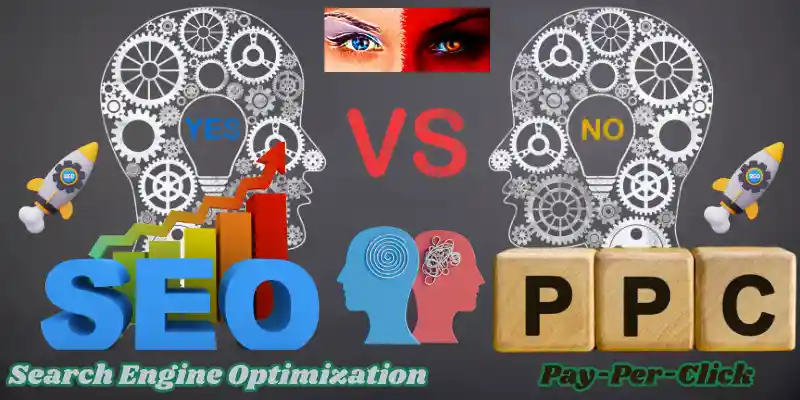
SEO and PPC are two powerful digital marketing strategies that businesses use to increase online visibility and attract potential customers. Search Engine Optimisation (SEO) focuses on improving website rankings organically through keyword optimisation, content creation, and technical improvements. It builds long-term credibility and sustainable traffic, making it one of the most effective tools for growth.
On the other hand, Pay-Per-Click (PPC) advertising delivers instant results by placing paid ads on search engines and social media platforms. With PPC, businesses can target specific keywords, demographics, and locations, ensuring their brand appears at the top of search results. Although it requires continuous investment, PPC is excellent for generating fast leads and measurable results.
The real power lies in combining SEO and PPC in marketing. While SEO strengthens long-term organic growth, PPC provides immediate visibility and data-driven insights. Together, they help businesses maximise ROI, dominate search engine results, and create a balanced digital marketing strategy.
What is SEO and PPC in Marketing?
SEO (Search Engine Optimisation) and PPC (Pay-Per-Click) are two distinct but complementary digital marketing strategies that drive website traffic. While both aim to enhance visibility on search engines, they differ significantly in approach and cost.
What is SEO in Marketing?
SEO (Search Engine Optimisation) refers to optimising a website to achieve higher rankings on search engine results pages (SERPs) organically (without paying for placement). The primary goal is to attract more relevant, long-term, and sustainable traffic.
Key Aspects of SEO:
On-Page Optimisation:
- Refining website content with targeted keywords.
- Crafting compelling meta titles and descriptions.
- Optimising images and internal linking structure.
Off-Page Optimisation:
- Building quality backlinks from authoritative websites.
- Promoting content through social media and outreach to increase domain authority.
Technical SEO:
- Enhancing site speed and mobile responsiveness.
- Structuring URLs and using schema markup for better crawlability.
- Fixing errors like broken links or duplicate content.
SEO’s Objective:
Increase organic (unpaid) traffic by optimising the website for user-friendliness and search engine algorithms.
What is PPC in Marketing?
PPC (Pay-Per-Click) advertising is a paid digital marketing strategy where businesses bid on specific keywords to display their ads on search engines or other platforms. Advertisers pay only when someone clicks on their ad.
Key Features of PPC:
Immediate Visibility:
Ads are displayed at the top of SERPs almost instantly after campaign activation.
Cost-Per-Click (CPC) Model:
- Advertisers set a maximum bid for each click.
- The cost depends on keyword competition and quality score.
Targeted Campaigns:
- PPC allows targeting by location, age, gender, interests, and device.
- Enables remarketing to users who have previously interacted with the brand.
PPC’s Objective:
To generate quick and measurable results by driving traffic, leads, or sales through paid efforts.
SEO vs. PPC: A Comparison
| Aspect | SEO | PPC |
| Cost | Free traffic, but requires time and effort. | Paid traffic, cost per click. |
| Results Timeline | Immediate results as soon as the ads are live. | Immediate results are available as soon as the ads go live. |
| Sustainability | Sustainable once rankings are achieved. | Stops when ad budget ends. |
| Control | Limited control over SERP appearance. | The cost incurred per click. |
| Click-Through Cost | Complete control over ad copy and placement. | Cost incurred per click. |
SEO and PPC play vital roles in digital marketing strategies; using them together can maximise visibility, traffic, and conversions.
How Can SEO and PPC Work Together?
SEO and PPC are often seen as separate strategies, but they work best when integrated. Here’s how:
1. Enhanced Visibility
Combining SEO and PPC enables businesses to dominate both paid and organic search results, thereby increasing brand exposure.
2. Data Sharing
PPC campaigns provide immediate insights into which keywords and ad copy perform best. These can inform SEO strategies to optimise for high-converting terms.
3. Balancing Short-Term and Long-Term Goals
- SEO offers long-term growth and sustainability.
- PPC delivers instant traffic and results, making it ideal for promotions or new product launches.
SEO vs. PPC: Key Differences
| Feature | SEO | PPC |
| Cost | Investment in time and resources | Results stop when ad spending stops |
| Timeline for Results | Long-term (months to see significant impact) | Short-term (instant results) |
| Sustainability | Provides lasting benefits | Results stop when ad spend stops |
| Ranking Mechanism | Organic algorithms | Paid bidding system |
Practical Examples of SEO and PPC Integration
1. Testing Keywords
Run PPC campaigns to test the effectiveness of keywords. Utilise high-performing PPC terms in your SEO strategy to enhance organic content.
2. Retargeting Audiences
Leverage SEO to attract initial visitors. Then, use PPC retargeting ads to re-engage them with offers or reminders.
3. Seasonal Campaigns
Utilise PPC for seasonal promotions or product launches, while SEO maintains a steady flow of organic traffic throughout the year.
Pros and Cons of SEO and PPC
Both SEO and PPC have distinct advantages and disadvantages, making them suitable for different marketing goals, budgets, and timeframes.
Advantages of SEO
Cost-Effective in the Long Run:
- After the initial investment in optimisation, ongoing traffic does not require additional payments.
- Ideal for businesses looking to maximise ROI over time.
Builds Trust and Credibility:
- High organic rankings increase user trust, as many users view organic results as more credible than ads.
Drives Organic, Sustainable Traffic:
- Once established, rankings can generate consistent and lasting traffic.
Higher Click-Through Rates (CTR):
- Organic listings often receive more clicks than paid ads, particularly for informational queries.
Disadvantages of SEO
Time-Intensive to See Results:
- Achieving high rankings can take months or even years, depending on the level of competition and the difficulty of the keywords.
Requires Consistent Updates and Maintenance:
- Regular content updates and technical audits are necessary to stay competitive.
- Search engine algorithms are frequently updated, necessitating ongoing adjustments.
Highly Competitive:
- In competitive industries, achieving top positions may require significant effort and expertise.
Advantages of PPC
Instant Visibility and Traffic:
- Ads appear at the top of SERPs immediately after launching a campaign, ideal for time-sensitive promotions.
Highly Measurable and Targeted:
- Provides detailed analytics on ad performance, including impressions, clicks, and conversions.
- Target specific audiences based on demographics, interests, location, and behaviour.
Flexibility in Budgeting:
- You can set daily or total campaign budgets to control costs.
- Adjust campaigns in real time to optimise performance.
Great for Testing:
- Test keywords, ad copy, or landing pages quickly before committing to a long-term SEO strategy.
Disadvantages of PPC
Costly for Competitive Keywords:
- Popular industries like insurance, finance, or legal services often have high CPCs, making campaigns expensive.
Traffic Stops When the Campaign Ends:
- Unless another strategy supports it, traffic will drop to zero once the budget is exhausted or the campaign comes to a close.
Requires Constant Monitoring:
- Campaigns need regular adjustments to maintain ROI, avoid wasted spend, and outbid competitors.
Ad Fatigue:
- Users may ignore ads over time, especially if they’re not well-optimised or frequently updated.
Choosing Between SEO and PPC
| Factors | SEO | PPC |
| Budget | Low budget, long-term ROI. | Requires upfront investment. |
| Timeline | Best for long-term goals. | Ideal for quick results. |
| Competition | Challenging in competitive niches. | Expensive for competitive keywords. |
| Goal | Building trust and authority. | Driving immediate traffic and conversions. |
A balanced approach often works best using PPC for quick wins and SEO for sustainable growth.
Should You Invest in SEO or PPC?
SEO or PPC investment depends mainly on your business goals, budget, and timeline. Each strategy offers unique advantages and should be tailored to your specific needs.
1. For Long-Term Growth: Focus on SEO
- When to Choose SEO: SEO is the ideal approach if your goal is to establish organic visibility and sustainable traffic over time.
- Why: SEO offers a cost-effective strategy in the long run, with traffic flowing even after your efforts. It builds trust and authority with your audience, leading to improved long-term outcomes.
- Ideal For: Businesses looking to establish a strong online presence, improve search rankings, and attract high-quality, organic leads over time.
- Key Considerations:
- Time and effort are required to see significant results.
- Regular updates and maintenance are necessary to keep up with algorithm changes.
2. For Immediate Results: Invest in PPC
- When to Choose PPC: PPC is the best choice if your business needs quick visibility, such as for seasonal promotions, product launches, or immediate traffic boosts.
- Why: PPC delivers instant results by putting your ads at the top of the search engine results. You control the budget and targeting, and can measure performance in real-time.
- Ideal For: Businesses with a short-term goal, seasonal campaigns, or those needing immediate sales or leads.
- Key Considerations:
- PPC can become costly, especially for competitive keywords.
- Traffic stops when the campaign ends, requiring ongoing investment for continuous results.
3. For Maximum Impact: Combine Both Strategies
- When to Combine SEO and PPC: Leveraging both SEO and PPC can be highly effective for a balanced approach that maximises visibility. This ensures both short-term gains and long-term growth.
- Why: SEO builds credibility and sustainable traffic over time, while PPC delivers immediate visibility and highly targeted traffic. Combining both allows you to dominate search results organically and through paid ads.
- Ideal For: Businesses looking to achieve long-term authority and short-term conversion goals or those operating in highly competitive industries.
- Key Considerations:
- It requires managing both strategies simultaneously, which can be a resource-intensive task.
- More budget allocation for PPC alongside investment in SEO.
Summary:
| Goal | Best Strategy |
| Long-Term Growth | Focus on SEO. |
| Immediate Results | Invest in PPC. |
| Maximum Impact | Combine SEO and PPC. |
Choosing the right strategy or a combination of both depends on your business’s needs, and adjusting based on performance can help you achieve the best results.
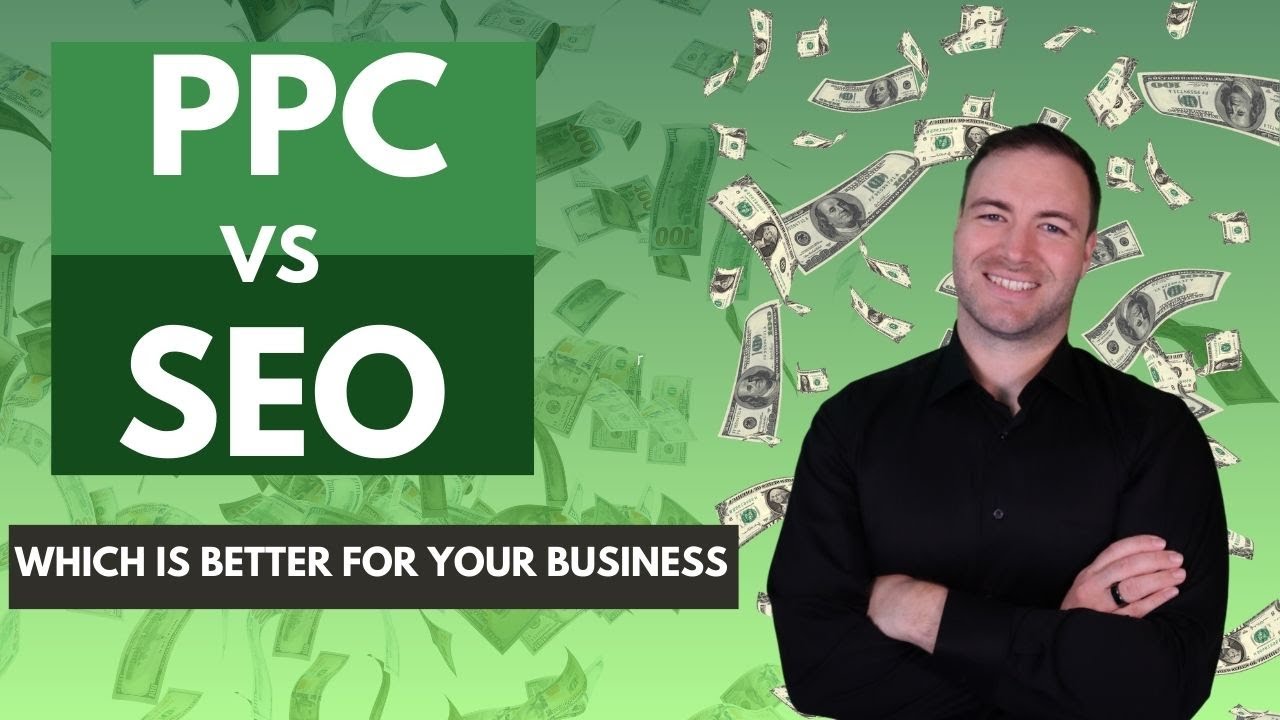
SEO Vs PPC – Which Is Better For Your Business: Video
Bonus Points
Why Combining SEO and PPC is a Winning Strategy
Enhanced Search Visibility:
- Combining SEO and PPC enables your website to appear in both organic and paid search results, enhancing your brand’s overall presence and improving its ranking in the SERP.
Data Sharing Between Strategies:
- PPC campaigns provide valuable keyword data and insights into user behaviour that can refine your SEO strategy. Similarly, optimising ad targeting for high-performing organic keywords can reduce PPC costs.
Improved Click-Through Rates (CTR):
- Studies show that having an organic listing and a paid ad for the same query increases the likelihood of a user clicking on your result.
Brand Authority and Trust:
- SEO builds trust through organic rankings, while PPC reinforces credibility by showcasing your brand as authoritative and competitive.
A Safety Net During Algorithm Changes:
- Search engine algorithm updates can impact SEO. PPC provides a steady stream of traffic, ensuring consistent visibility even during fluctuations in SEO.
Target All Stages of the Funnel:
- Use PPC for immediate bottom-of-the-funnel conversions and SEO for top-of-the-funnel educational content, creating a seamless user journey.
Better ROI:
- By leveraging the strengths of both strategies, you can maximise return on investment (ROI) while diversifying your traffic sources.
Incorporating both SEO and PPC is a smart strategy for growing your business sustainably while capturing immediate opportunities, making your marketing efforts more efficient and effective.
FAQs
Detailed Questions & Answers Section
Difference between SEO and PPC
- SEO (Search Engine Optimisation) focuses on improving a website’s organic rankings in search engine results pages (SERPs) through optimisation techniques like keyword usage, backlinks, and technical improvements.
- PPC (Pay-Per-Click) is a paid advertising strategy where businesses bid on keywords to display ads, paying only when users click them.
| Aspect | SEO | PPC |
| Cost | Free traffic but requires investment in effort and time. | Paid traffic based on a cost-per-click model. |
| Results Timeline | It stops when the campaign ends, or the budget runs out. | Immediate results upon campaign activation. |
| Sustainability | Sustainable once rankings are achieved. | It stops when the campaign ends or the budget runs out. |
- SEO is ideal for small businesses with a limited budget aiming for long-term growth. It’s cost-effective but requires time and effort.
- PPC is ideal for small businesses seeking immediate visibility and rapid results. While more expensive, it’s valid for promotions or launching a new product/service.
- Recommendation: A balanced approach best uses PPC for short-term goals and SEO for long-term sustainability.
It typically takes 3–6 months to see noticeable results from SEO efforts. The timeline depends on factors such as:
- Competition for target keywords.
- The quality and quantity of content.
- Existing domain authority and backlink profile.
PPC costs depend on keyword competition, industry, and ad quality. For instance:
- High-competition industries, such as law or insurance, may have Cost-Per-Click (CPC) rates exceeding $50.
- PPC can provide a positive return on investment (ROI) with proper optimisation.
- Advertisers control the budget, which can be tailored to fit your financial capacity.
Yes, combining SEO and PPC can amplify results:
- Shared Insights: Data from PPC campaigns can inform SEO keyword strategies.
- Dual Visibility: Appearing in both organic and paid search results improves brand authority and click-through rates (CTR).
- Risk Mitigation: PPC provides a backup in case of SEO algorithm updates or fluctuations in rankings.
The choice depends on your business goals:
- Use SEO if:
- You want long-term, sustainable traffic.
- You’re working with a limited budget.
- Your industry has low to medium competition.
- Use PPC if:
- You need immediate visibility and traffic.
- You’re running a short-term promotion.
- You’re targeting high-conversion keywords.
- For SEO:
- Organic traffic.
- Keyword rankings.
- Domain authority.
- Bounce rate and time on site.
- Conversion rate from organic visitors.
- For PPC:
- Click-Through Rate (CTR).
- Cost-Per-Click (CPC).
- Conversion rate and cost per conversion.
- Return on Ad Spend (ROAS).
- Quality Score (for platforms like Google Ads).
While traffic generated through SEO is free, there are costs associated with:
- Hiring SEO professionals or agencies.
- Investing in tools for keyword research, analytics, and site audits.
- Creating high-quality content and acquiring backlinks.
So, SEO is not “free” but can be more cost-effective than PPC in the long run.
Industries with high customer lifetime value (CLV) or intense competition benefit most from PPC, such as:
- Legal services.
- E-commerce and retail.
- Healthcare.
- Real estate.
- Technology products and services.
- SEO Mistakes:
- Ignoring mobile optimisation.
- Targeting irrelevant or overly competitive keywords.
- Overlooking technical SEO, like broken links or slow page speed.
- Using black-hat SEO techniques like keyword stuffing or spammy backlinks.
- PPC Mistakes:
- Not setting a clear budget or ROI goal.
- Failing to optimise landing pages for conversions.
- Using broad match keywords without refinement.
- Neglecting A/B testing for ad copy.
By understanding the nuances of SEO and PPC, businesses can tailor their marketing strategies to maximise impact based on their unique needs and objectives.
Conclusion
SEO and PPC are powerful tools in the marketer’s arsenal. While they have distinct strengths, integrating them creates a comprehensive digital marketing strategy that balances immediate results with sustainable growth. By leveraging the synergy between these two approaches, businesses can achieve unparalleled success in today’s competitive online landscape.
Call to Action
Want to learn more about how SEO and PPC can transform your marketing efforts? Subscribe to our newsletter or contact us for personalised strategies tailored to your business!




- For bold: [b]text[/b]
- For italic: [i]text[/i]
- For underline: [u]text[/u]
